There was a time when recording a podcast was the hard part. Now, strangely enough, promotion feels even harder.
A lot of podcasters spend hours cutting clips, writing captions, resizing videos for Shorts, and trying to keep up with changing algorithms. By the time the actual episode goes live, creators are already tired. That is probably why YouTube’s latest move around AI podcast promotion tools is getting so much attention right now.
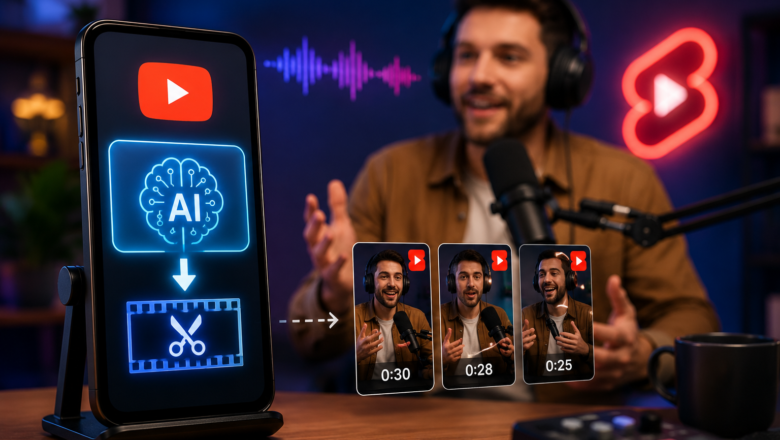
The platform is reportedly working on AI features that can help podcasters automatically find interesting moments from long conversations and turn them into short-form content. In simple words, YouTube wants to make clipping and promoting podcasts less time-consuming.
And honestly, many creators will welcome that.
Podcasting Has Changed a Lot
A few years ago, uploading a full episode was enough. Loyal listeners would sit through an hour-long discussion without much distraction. Things are different now.
People still enjoy podcasts, but discovery mostly happens through short clips. Someone watches a 20-second debate, a funny reaction, or a strong opinion first. Then they decide whether the full episode is worth checking out.
That is why Shorts matter so much.
The problem is that editing these clips takes real effort. Smaller creators usually do everything themselves. Recording, editing, thumbnails, captions, uploads — all of it.
So if AI can reduce even half of that workload, it changes the game a little.
Why This Could Help Smaller Podcasters
Big creators already have teams. They have editors, social media managers, and designers handling promotion every day.
Independent podcasters usually do not.
Many talented creators disappear simply because they cannot post consistently across platforms. Not because their content is bad, but because the process becomes exhausting after a while.
This is where AI-assisted clipping could actually help.
Imagine uploading a one-hour podcast and getting several suggested Shorts automatically. The system identifies moments with strong reactions, emotional discussions, or audience-friendly hooks. Instead of manually searching for highlights, creators can focus more on recording good conversations.
That saves time. And for small creators, time matters more than people think.
YouTube Clearly Wants More Podcast Creators
YouTube has been investing heavily in podcasts lately. The platform already knows that long-form content keeps users watching longer. Podcasts are perfect for that.
But YouTube also understands modern viewing habits. People jump between long videos and short clips constantly.
So the strategy makes sense.
A Short goes viral, viewers click the channel, and then some of them watch the full episode. That cycle keeps people inside the platform longer.
From a business perspective, it is smart. From a creator perspective, it could be genuinely useful.
AI Tools Still Need Human Judgment
Of course, AI is not magically going to make every podcast successful.
A boring conversation is still boring, even if it becomes a Short.
What AI can do is speed up repetitive work. It can suggest moments, trim silences, maybe even help with captions. But creators still need personality, opinions, storytelling, and timing.
That human part cannot really be automated.
And viewers notice when content feels too robotic. People connect with authenticity more than polished editing anyway. Some of the best podcast clips online are messy, spontaneous, and imperfect.
That is part of the appeal.
Short-Form Content Is Becoming the Main Entry Point
This trend is not limited to YouTube. Almost every platform now pushes short-form video aggressively.
Instagram has Reels. TikTok dominates quick content. Facebook promotes short videos more than ever. So podcasters are under pressure to create bite-sized content whether they like it or not.
The issue is volume.
One podcast episode can technically become ten or fifteen clips, but manually creating them takes hours. AI tools could make that process faster and more realistic for everyday creators.
That is probably the biggest reason this update matters.
The Real Opportunity for Creators
The interesting part is not just automation. It is accessibility.
A small podcast with good conversations now has a better chance of getting discovered without hiring a professional editing team. That lowers the barrier for creators who are talented but underfunded.
And honestly, the podcast space still rewards consistency more than perfection.
Creators who keep showing up, posting clips regularly, and building community usually grow over time. AI might simply help them stay consistent without burning themselves out.
Final Thoughts
YouTube’s AI-driven approach to podcast promotion feels less like a gimmick and more like a practical creator tool. Editing clips manually can drain time and energy, especially for solo podcasters trying to grow across multiple platforms.
If AI can simplify that process without removing the creator’s voice, it could genuinely help independent podcasts reach wider audiences.
For creators, artists, and musicians trying to grow online visibility in a crowded digital space, Music Fungi continues to provide promotional support and digital marketing solutions designed for modern content creators.
FAQs
1. What is YouTube planning for podcasters?
YouTube is working on AI-based tools that can help creators turn long podcast episodes into short clips and Shorts automatically.
2. Why are podcast clips important now?
Short clips help attract new audiences faster because viewers often discover creators through quick content before watching full episodes.
3. Will AI replace podcast editors completely?
No. AI can help with repetitive editing tasks, but creators still need creative control and personal storytelling.
4. How can small podcasters benefit from AI tools?
They can save time, post more consistently, and create promotional content without needing large editing teams.
5. Are Shorts becoming necessary for podcast growth?
In many cases, yes. Short-form videos are now one of the biggest ways audiences discover new podcast creators online.