Blog

YouTube’s New Features Are Here : But Do They Really Help Creators?

04/05/2026
Post Image

YouTube rolls out updates all the time, so it’s easy to ignore them after a point. But this recent set of changes feels worth paying attention to. Not because it’s flashy, but because it quietly fixes a few things creators have been dealing with for years.

The latest YouTube Studio updates bring in AI-based tools, better collaboration options, and a few improvements that, honestly, just make life easier if you upload content regularly. Nothing here feels dramatic. But taken together, it changes how you work.

The Studio Feels… Less Annoying Now

That’s probably the simplest way to put it. The updated dashboard doesn’t reinvent anything, but it reduces friction. You don’t have to click around as much. Analytics are easier to read. Things load where you expect them to. If you’ve spent hours inside YouTube Studio before, you’ll notice it. If you haven’t, you might not care but you’ll still benefit from it. It’s one of those updates you don’t praise, but you’d definitely miss if it disappeared.

Likeness Detection : A Bit Late, But Useful

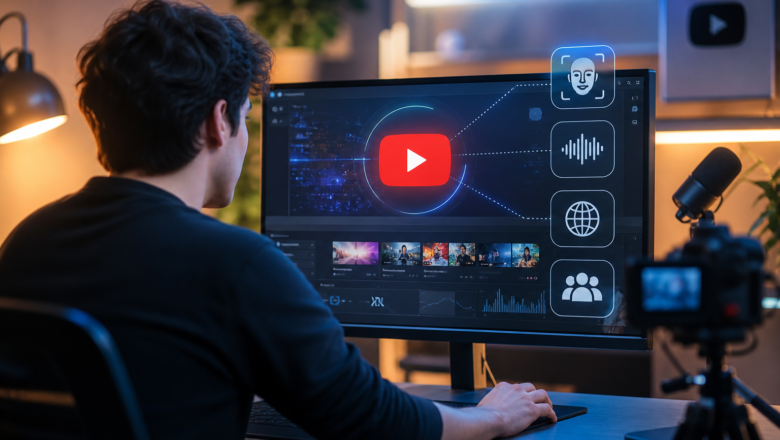
This part is interesting. YouTube is now trying to detect when someone’s face or voice is reused, especially in ways that might not be authorized. With how fast AI tools are growing, this was kind of inevitable. People are already cloning voices, reusing clips, or creating content that blurs the line between real and fake. So yeah, something like this had to show up sooner or later.

Is it perfect? Probably not.

But if you’re building a personal brand, even a basic layer of protection is better than nothing. It at least signals that platforms are starting to take this seriously.

Lip-Synced Dubbing Might Be the Most Practical Update

This one stands out more than the rest.

Instead of just adding subtitles, YouTube can now translate your video and match the speaker’s lip movement to the new language. It sounds like a small upgrade but it changes how content feels to the viewer. Let’s be honest, a lot of people skip subtitles. Or they don’t stick around long enough to read them. But if the video feels native? That’s different.

For creators, this means you can reuse the same content across multiple regions without recording everything again. That alone can save hours. And over time, it could open up audiences you weren’t even targeting before.

Collaboration Tools : Nothing New, But Still Important

Collabs aren’t new. They’ve been part of YouTube forever. What’s changed is that YouTube is making them easier to manage and a bit more structured. That might not sound exciting, but it removes small barriers that used to slow things down. And honestly, collaborations still work.

Sometimes better than ads. Because they don’t feel forced. People trust creators they already follow, so when they see a familiar face working with someone new, they’re more likely to stick around. So yeah, this isn’t a groundbreaking feature but it’s a smart one.

If You Look at It All Together…

There’s a pattern here, even if YouTube doesn’t spell it out directly.

They’re trying to:

  • Help creators reach beyond one language or region
  • Deal with AI-related risks (before they get worse)
  • Encourage creators to grow together instead of alone
  • Make the backend less frustrating to use

None of this guarantees success. That part hasn’t changed. But it does remove some of the friction that used to slow creators down.

The AI Part Feels… Normal Now

A couple of years ago, AI features felt experimental. Now they’re just built in. That’s probably the biggest shift. You’re not really “using AI” anymore. You’re just using YouTube, and AI happens to be part of it. And maybe that’s the point. The smoother it feels, the more people actually use it.

One Thing That Hasn’t Changed

Even with all these tools, one thing is still the same getting people to actually see your content is hard. Better tools help, sure. But they don’t replace distribution.

That’s where platforms like Music Fungi come in. It helps creators push their content further, reach new audiences, and get visibility outside the usual algorithm cycle.

Because at the end of the day, uploading is just step one. Getting noticed is the real challenge.

Blog Soundcloud

Getting Real Followers on SoundCloud in the US: What Actually Works Right Now

25/04/2026
Post Image

If you’ve been uploading music on SoundCloud for a while, you’ve probably noticed something frustrating plays go up a little, but followers don’t really follow the same pattern. That gap is exactly where a soundcloud followers campaign comes in.

But here’s the thing most people don’t say clearly: campaigns don’t magically create fans. They just help more relevant people hear your music. What happens after that depends on what they hear and how they feel about it.

First, Be Honest About Your Profile

Before running any kind of promotion, take a minute and look at your own page like a stranger would.

Does your artwork stand out?
Do your track titles feel intentional?
Does your bio actually say something about you?

It might sound small, but it’s not. When someone lands on your profile for the first time, they decide in seconds whether to stay or leave. A campaign just brings them there it doesn’t convince them to stay.

Not Every Track Deserves Promotion

This is where a lot of artists go wrong.

You don’t need to push everything you upload. In fact, you shouldn’t. There’s usually one track the one people replay, the one that gets shared a bit more, the one your friends mention without you asking.

That’s the one you build around. A soundcloud followers campaign works best when it’s focused. One strong track can pull attention toward your whole profile. Trying to push five average ones at the same time usually does the opposite.

Think Less About “More People,” More About “Right People”

It’s tempting to go wide reach as many listeners as possible. But that rarely converts. If you’re targeting the US, think about where your sound fits. A track that leans toward trap might connect more in places like Atlanta or Houston. Something more electronic might find better traction in cities like Los Angeles. It’s not about limiting yourself it’s about being realistic. The more your sound matches the audience, the better your chances of turning a listener into a follower.

Timing Matters More Than You Think

This part gets overlooked a lot. If most of your audience is in the US, posting or promoting at random times can slow things down. People need to actually see your track when they’re active. Late afternoons and evenings tend to work better. Weekends can help too, depending on your genre. It’s not a strict rule. But small timing changes can make a noticeable difference over a few weeks.

Don’t Disappear After Posting

Uploading a track and then going silent is… pretty common. But it doesn’t help.

If someone comments, reply. If you find artists in your space, engage with their tracks too. It doesn’t need to be forced or constant just present enough that your profile doesn’t feel inactive. A soundcloud followers campaign brings attention, but interaction helps keep it.

Growth That Looks Natural Usually Lasts Longer

There’s always that temptation to speed things up.

Big numbers, fast spikes it looks good at first. But it often fades just as quickly. Real growth tends to be slower, a bit uneven, sometimes even frustrating.

But it sticks. Let your campaign run in a way that feels steady. Give people time to discover, listen, and come back. That repeat listening is usually what turns into a follow.

Where Promotion Services Fit In

At some point, you might consider getting help with promotion. That’s normal.

The important part is how that promotion works. If it’s just random exposure, it won’t do much. If it’s targeted based on genre, listener behavior, and real activity it can make a difference.

That’s where platforms like Music Fungi come into the picture. The focus there is more on connecting your tracks with listeners who are actually interested, rather than just boosting numbers for the sake of it. It’s not instant success. But it’s a more grounded way to build momentum.

Final Thought

There isn’t a perfect formula for growth on SoundCloud. Some tracks take off. Others don’t. Sometimes the difference is small and hard to explain.

But one thing is clear a soundcloud followers campaign works better when it supports something that already has potential. Not something you’re hoping will magically click. So before pushing harder, make sure what you’re pushing is ready. That usually makes all the difference.

FAQs

1. What is a soundcloud followers campaign?
It’s a promotion strategy designed to bring your music in front of listeners who are more likely to follow your profile.

2. Do I need a popular track before running a campaign?
Not necessarily popular, but having one strong track with some engagement helps a lot.

3. How long should I run a campaign?
A few weeks is usually a good starting point. Consistency matters more than short bursts.

4. Can I target only US listeners?
Yes, and it’s often more effective if your goal is to grow within that specific market.

5. Are promotion services safe to use?
They can be, as long as they focus on real audience targeting rather than fake or inactive traffic.

Blog

Real-World Video Tips to Grow Organically in 2026

17/04/2026
Post Image

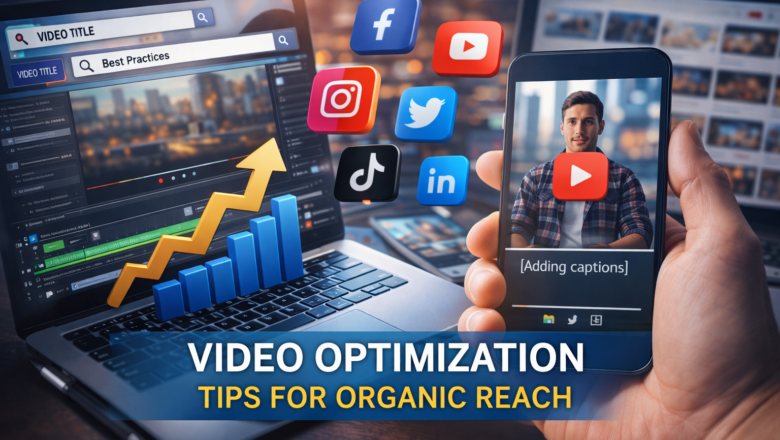
If you’ve been posting videos for a while and feel like reach is getting harder, you’re not alone. Things have shifted. Platforms don’t just push content because it exists anymore. That’s why video optimization tips for organic reach are starting to matter a lot more than they used to.

From what I’ve seen (and honestly, learned the slow way), it’s usually small changes that make the difference.

1. Don’t Waste the First Few Seconds

A lot of people still start videos with slow intros. The problem is, most viewers don’t wait around anymore.

If something doesn’t catch attention almost instantly, they scroll. So it helps to get straight into the point even if it feels a bit abrupt at first.

2. Keep Titles Simple, Not Smart

It’s tempting to write clever titles, but clear usually works better.

If someone can immediately understand what your video is about, they’re more likely to click. Same with thumbnails nothing too complicated, just something that stands out.

3. Think Like Someone Searching

Not every video is discovered through scrolling. A good number come from search.

So it helps to include keywords naturally in your title and description. No need to overdo it just write the way people actually search.

4. Watch Time Matters More Than You Think

You can get a decent number of views, but if people leave early, it doesn’t help much.

This is where pacing comes in. Cutting unnecessary parts, keeping things moving it all adds up. Even small improvements here can change performance.

5. Add Captions (Even If It Feels Extra)

A lot of viewers watch without sound. It’s easy to forget that.

Captions or even basic on-screen text can help people follow along, especially in noisy environments or when they’re just scrolling casually.

6. Consistency Is Boring but Works

There’s no exciting way to say this posting regularly still matters.

You don’t have to upload every day. But disappearing for weeks and then coming back randomly doesn’t usually work well either.

7. Don’t Depend on One Platform

Sometimes a video that performs poorly on one platform does well somewhere else. It happens more often than you’d expect.

Sharing across platforms gives your content more chances. It’s a simple step, but easy to ignore.

Final Thoughts

Honestly, there’s no single trick that suddenly boosts reach. These video optimization tips for organic reach are more like small habits. You apply them, adjust over time, and slowly things improve.

If you’re trying to push things a bit further, I’ve seen creators experiment with platforms like Music Fungi to get their content in front of a more relevant audience. It’s not a replacement for good content, but it can support growth.

FAQs

1. Do shorter videos perform better in 2025?
Not always. Short videos grab attention quickly, but longer ones can perform well if they keep viewers engaged.

2. How important are thumbnails now?
Still very important. A good thumbnail can make a noticeable difference in click-through rates.

3. Should I edit old videos for better performance?
Yes, especially titles and thumbnails. Small changes can sometimes improve visibility.

4. Is it okay to repost the same video on different platforms?
Yes, just tweak it slightly if needed to fit the platform style.

5. What’s the biggest factor for organic reach?
Retention. If people watch longer, your chances of getting pushed by the algorithm increase.

Blog

What I Learned After My Videos Stopped Getting Views (And What Actually Helped in 2025)

04/04/2026
Post Image

A few months ago, I hit a point where nothing I uploaded seemed to work.

It wasn’t that the videos were bad. I was putting in time, editing properly, even trying to follow trends. Still, the reach just wasn’t there. At first, I thought maybe it was just the algorithm doing its thing. But after a while, I started noticing small patterns things I had been ignoring.

That’s where these video optimization tips come in. Not from theory, but from trial, error, and a bit of frustration.

1. I Stopped Guessing Topics

Earlier, I used to create videos based on what I felt would work. Sometimes it did, most times it didn’t. Then I started doing something simple typing my topic into search and looking at what showed up. The suggestions were usually very specific. That’s when it clicked: people were already telling me what they wanted. Once I aligned my content with that, things slowly started improving.

2. I Made My Titles Less “Smart”

I used to spend too much time trying to make titles sound perfect. Adding more words, trying to make them look optimized. In reality, the simpler ones performed better. Now I just keep it clear. If someone reads the title once and understands what the video is about, I leave it as it is.

3. I Stopped Overwriting Descriptions

There was a time I treated descriptions like mini blog posts. Long paragraphs, extra details most of which people probably never read. Now it’s just a few lines. Straight to the point. Something like how I’d explain it to a friend. That shift alone made things feel more natural.

4. I Simplified My Thumbnails

This one took a while. I kept adding more elements, thinking it would make the thumbnail stand out. But it usually made it harder to understand. Now I go with one idea per thumbnail. A clear subject, a bit of contrast, nothing too crowded. It feels basic, but it works.

5. I Cut Down My Intros

Looking back, my older videos had long openings. Music, animation, a slow build-up. Most people didn’t stick around long enough to see the main part. Now I just start talking. No delay. Even a simple line like “Here’s what you need to know” works better than a long intro.

6. I Started Adding Captions

I didn’t think captions were necessary at first. But after checking how people actually watch videos especially on mobile it made sense. A lot of them don’t turn the sound on. Captions made my content easier to follow, even if someone only watched for a few seconds.

7. I Shared My Videos More

Earlier, I would upload and just wait. Now I try to give each video a bit more exposure. Short clips, small previews, sometimes even adding it to written content. It doesn’t always lead to instant results, but it helps bring in a few extra viewers and sometimes that’s enough to get things moving.

What Took Me the Longest to Understand

Even after applying all these video optimization tips, not every video performed well. That part doesn’t really change. Some videos pick up slowly. Some don’t pick up at all. It’s frustrating, but it’s normal. The key is noticing what works when something does click.

Final Thoughts

If I had to sum it up, I’d say this small, practical changes matter more than trying to follow every trend. You don’t need a complicated system. You just need to make your content easier to find and easier to watch.

And if you’re trying to manage content, reach, and growth all at once, having the right creative support can make things smoother. Platforms like Music Fungi are helping creators and brands build stronger digital presence by focusing on content that connects, not just content that gets uploaded.

FAQs

1. What are some easy video optimization tips to start with?
Keep your titles clear, use simple thumbnails, and start your videos without long intros.

2. Do captions really help with reach?
They help with engagement, especially for viewers watching without sound.

3. Should I share my videos on other platforms?
Yes, sharing clips or previews can bring in additional viewers.

4. Why do some videos not perform even after optimization?
Performance can vary. Sometimes it takes time, and sometimes it depends on audience interest.

5. Is consistency important for video growth?
Yes, posting regularly helps you understand what works and builds audience familiarity over time.

Blog

Long YouTube Videos That Don’t Feel Long (What Actually Helps)

25/03/2026
Post Image

I used to think longer videos automatically meant more value. They don’t. I’ve clicked on 25-minute videos that felt like a drag in 3 minutes. And I’ve watched 18-minute ones all the way through without even noticing the time. So clearly, length isn’t the real issue here.

If you’re trying to understand how to create engaging long-form YouTube videos, it comes down to one simple thing: does the video keep moving, or does it stall? That’s it.

Don’t Warm Up Too Much

This is something I still catch myself doing. You start recording and take a minute or two to “get into it.” The problem is that part should not be in the final video. People didn’t come to watch you warm up. They came for something specific. So cut straight to it. Even if it feels abrupt to you, it usually feels just right to the viewer.

You Probably Need to Cut More Than You Think

When you first edit a long video, everything feels important. Later, when you rewatch it, you start noticing things extra words, repeated thoughts, slightly slow explanations. That’s where most of the improvement happens. There’s no formula here. You just keep trimming until it feels easier to watch. Not shorter—just easier.

Keep Changing Something (Even Small Things)

If the visual and tone stay exactly the same for too long, people drift.

You don’t need flashy edits. Just small changes:

  • a tighter crop
  • a quick cutaway
  • a different example

Even a shift in how you say something helps. It keeps the video from feeling flat.

Talk Like You’d Explain It to One Person

Not an audience. Not subscribers. Just one person. That usually fixes the “scripted” problem on its own. Because when you explain something to one person, you don’t try to sound perfect. You just try to be clear. And clarity is what keeps people watching, not perfect wording.

Don’t Save Everything for Later

There’s this temptation to build up to the “main point.” But a lot of viewers won’t wait that long. So give them something useful early. Then keep adding to it. Think of it less like a big reveal and more like a steady flow.

If You Repeat, Change the Angle

You’ll repeat ideas. That’s normal. But if you say the same line again in the same way, it slows things down. Instead, come at it differently. Maybe a quick example. Maybe a shorter version. It keeps the idea fresh without dragging the pace.

Watch It Back (Properly)

Not while editing. Not in bits. Watch the whole thing once, like a normal viewer. You’ll notice things you didn’t see before. Parts that feel slightly off. Sections that run longer than they should. That’s usually where people click away.

End Without Making It Awkward

A lot of endings feel forced. Either they drag, or they suddenly stop. Somewhere in between works best. Just wrap up what you said and point people in a direction if it makes sense. No need to overdo it.

It’s Mostly Trial and Error

There isn’t a perfect structure you can follow every time. Some videos will feel right. Some won’t. But you start noticing patterns after a few uploads what holds attention, what loses it, what you tend to over-explain. That’s where the real improvement comes from.

Final Thoughts

Long-form videos aren’t about filling time. They’re about holding attention a little longer than usual. If the video keeps moving, sounds natural, and doesn’t waste time, people stay. If it doesn’t, they won no matter how good the topic is.

If you’re working on improving your content or trying to make videos that people actually sit through, platforms like Music Fungi can help you keep things practical instead of overcomplicated.

FAQs

1. How long is considered long-form on YouTube?
Usually 8–10 minutes and above, but watch time matters more than duration.

2. Why do long videos lose viewers?
Mostly because of pacing issues, repetition, or slow sections.

3. Do I need advanced editing skills?
No. Basic cuts and small changes are often enough.

4. How can I improve retention?
Cut slow parts, start strong, and keep adding value as the video goes on.

5. Is long-form good for beginners?
Yes, especially if the focus is on clarity and usefulness rather than perfection.