Blog

Real-World Video Tips to Grow Organically in 2026

17/04/2026
Post Image

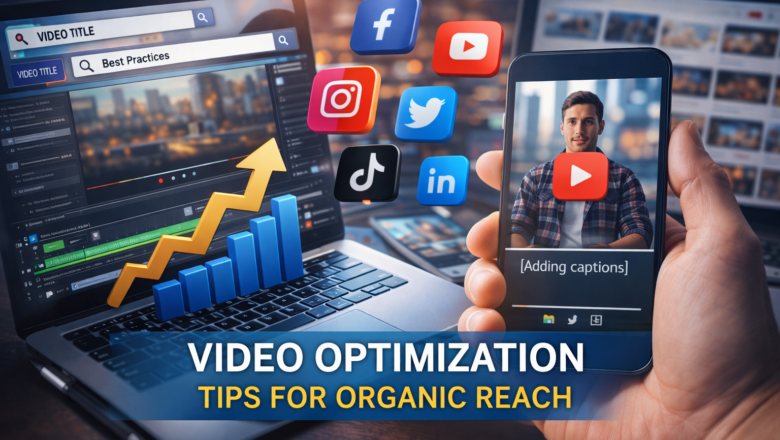
If you’ve been posting videos for a while and feel like reach is getting harder, you’re not alone. Things have shifted. Platforms don’t just push content because it exists anymore. That’s why video optimization tips for organic reach are starting to matter a lot more than they used to.

From what I’ve seen (and honestly, learned the slow way), it’s usually small changes that make the difference.

1. Don’t Waste the First Few Seconds

A lot of people still start videos with slow intros. The problem is, most viewers don’t wait around anymore.

If something doesn’t catch attention almost instantly, they scroll. So it helps to get straight into the point even if it feels a bit abrupt at first.

2. Keep Titles Simple, Not Smart

It’s tempting to write clever titles, but clear usually works better.

If someone can immediately understand what your video is about, they’re more likely to click. Same with thumbnails nothing too complicated, just something that stands out.

3. Think Like Someone Searching

Not every video is discovered through scrolling. A good number come from search.

So it helps to include keywords naturally in your title and description. No need to overdo it just write the way people actually search.

4. Watch Time Matters More Than You Think

You can get a decent number of views, but if people leave early, it doesn’t help much.

This is where pacing comes in. Cutting unnecessary parts, keeping things moving it all adds up. Even small improvements here can change performance.

5. Add Captions (Even If It Feels Extra)

A lot of viewers watch without sound. It’s easy to forget that.

Captions or even basic on-screen text can help people follow along, especially in noisy environments or when they’re just scrolling casually.

6. Consistency Is Boring but Works

There’s no exciting way to say this posting regularly still matters.

You don’t have to upload every day. But disappearing for weeks and then coming back randomly doesn’t usually work well either.

7. Don’t Depend on One Platform

Sometimes a video that performs poorly on one platform does well somewhere else. It happens more often than you’d expect.

Sharing across platforms gives your content more chances. It’s a simple step, but easy to ignore.

Final Thoughts

Honestly, there’s no single trick that suddenly boosts reach. These video optimization tips for organic reach are more like small habits. You apply them, adjust over time, and slowly things improve.

If you’re trying to push things a bit further, I’ve seen creators experiment with platforms like Music Fungi to get their content in front of a more relevant audience. It’s not a replacement for good content, but it can support growth.

FAQs

1. Do shorter videos perform better in 2025?
Not always. Short videos grab attention quickly, but longer ones can perform well if they keep viewers engaged.

2. How important are thumbnails now?
Still very important. A good thumbnail can make a noticeable difference in click-through rates.

3. Should I edit old videos for better performance?
Yes, especially titles and thumbnails. Small changes can sometimes improve visibility.

4. Is it okay to repost the same video on different platforms?
Yes, just tweak it slightly if needed to fit the platform style.

5. What’s the biggest factor for organic reach?
Retention. If people watch longer, your chances of getting pushed by the algorithm increase.

Blog

What I Learned After My Videos Stopped Getting Views (And What Actually Helped in 2025)

04/04/2026
Post Image

A few months ago, I hit a point where nothing I uploaded seemed to work.

It wasn’t that the videos were bad. I was putting in time, editing properly, even trying to follow trends. Still, the reach just wasn’t there. At first, I thought maybe it was just the algorithm doing its thing. But after a while, I started noticing small patterns things I had been ignoring.

That’s where these video optimization tips come in. Not from theory, but from trial, error, and a bit of frustration.

1. I Stopped Guessing Topics

Earlier, I used to create videos based on what I felt would work. Sometimes it did, most times it didn’t. Then I started doing something simple typing my topic into search and looking at what showed up. The suggestions were usually very specific. That’s when it clicked: people were already telling me what they wanted. Once I aligned my content with that, things slowly started improving.

2. I Made My Titles Less “Smart”

I used to spend too much time trying to make titles sound perfect. Adding more words, trying to make them look optimized. In reality, the simpler ones performed better. Now I just keep it clear. If someone reads the title once and understands what the video is about, I leave it as it is.

3. I Stopped Overwriting Descriptions

There was a time I treated descriptions like mini blog posts. Long paragraphs, extra details most of which people probably never read. Now it’s just a few lines. Straight to the point. Something like how I’d explain it to a friend. That shift alone made things feel more natural.

4. I Simplified My Thumbnails

This one took a while. I kept adding more elements, thinking it would make the thumbnail stand out. But it usually made it harder to understand. Now I go with one idea per thumbnail. A clear subject, a bit of contrast, nothing too crowded. It feels basic, but it works.

5. I Cut Down My Intros

Looking back, my older videos had long openings. Music, animation, a slow build-up. Most people didn’t stick around long enough to see the main part. Now I just start talking. No delay. Even a simple line like “Here’s what you need to know” works better than a long intro.

6. I Started Adding Captions

I didn’t think captions were necessary at first. But after checking how people actually watch videos especially on mobile it made sense. A lot of them don’t turn the sound on. Captions made my content easier to follow, even if someone only watched for a few seconds.

7. I Shared My Videos More

Earlier, I would upload and just wait. Now I try to give each video a bit more exposure. Short clips, small previews, sometimes even adding it to written content. It doesn’t always lead to instant results, but it helps bring in a few extra viewers and sometimes that’s enough to get things moving.

What Took Me the Longest to Understand

Even after applying all these video optimization tips, not every video performed well. That part doesn’t really change. Some videos pick up slowly. Some don’t pick up at all. It’s frustrating, but it’s normal. The key is noticing what works when something does click.

Final Thoughts

If I had to sum it up, I’d say this small, practical changes matter more than trying to follow every trend. You don’t need a complicated system. You just need to make your content easier to find and easier to watch.

And if you’re trying to manage content, reach, and growth all at once, having the right creative support can make things smoother. Platforms like Music Fungi are helping creators and brands build stronger digital presence by focusing on content that connects, not just content that gets uploaded.

FAQs

1. What are some easy video optimization tips to start with?
Keep your titles clear, use simple thumbnails, and start your videos without long intros.

2. Do captions really help with reach?
They help with engagement, especially for viewers watching without sound.

3. Should I share my videos on other platforms?
Yes, sharing clips or previews can bring in additional viewers.

4. Why do some videos not perform even after optimization?
Performance can vary. Sometimes it takes time, and sometimes it depends on audience interest.

5. Is consistency important for video growth?
Yes, posting regularly helps you understand what works and builds audience familiarity over time.

Blog

Long YouTube Videos That Don’t Feel Long (What Actually Helps)

25/03/2026
Post Image

I used to think longer videos automatically meant more value. They don’t. I’ve clicked on 25-minute videos that felt like a drag in 3 minutes. And I’ve watched 18-minute ones all the way through without even noticing the time. So clearly, length isn’t the real issue here.

If you’re trying to understand how to create engaging long-form YouTube videos, it comes down to one simple thing: does the video keep moving, or does it stall? That’s it.

Don’t Warm Up Too Much

This is something I still catch myself doing. You start recording and take a minute or two to “get into it.” The problem is that part should not be in the final video. People didn’t come to watch you warm up. They came for something specific. So cut straight to it. Even if it feels abrupt to you, it usually feels just right to the viewer.

You Probably Need to Cut More Than You Think

When you first edit a long video, everything feels important. Later, when you rewatch it, you start noticing things extra words, repeated thoughts, slightly slow explanations. That’s where most of the improvement happens. There’s no formula here. You just keep trimming until it feels easier to watch. Not shorter—just easier.

Keep Changing Something (Even Small Things)

If the visual and tone stay exactly the same for too long, people drift.

You don’t need flashy edits. Just small changes:

  • a tighter crop
  • a quick cutaway
  • a different example

Even a shift in how you say something helps. It keeps the video from feeling flat.

Talk Like You’d Explain It to One Person

Not an audience. Not subscribers. Just one person. That usually fixes the “scripted” problem on its own. Because when you explain something to one person, you don’t try to sound perfect. You just try to be clear. And clarity is what keeps people watching, not perfect wording.

Don’t Save Everything for Later

There’s this temptation to build up to the “main point.” But a lot of viewers won’t wait that long. So give them something useful early. Then keep adding to it. Think of it less like a big reveal and more like a steady flow.

If You Repeat, Change the Angle

You’ll repeat ideas. That’s normal. But if you say the same line again in the same way, it slows things down. Instead, come at it differently. Maybe a quick example. Maybe a shorter version. It keeps the idea fresh without dragging the pace.

Watch It Back (Properly)

Not while editing. Not in bits. Watch the whole thing once, like a normal viewer. You’ll notice things you didn’t see before. Parts that feel slightly off. Sections that run longer than they should. That’s usually where people click away.

End Without Making It Awkward

A lot of endings feel forced. Either they drag, or they suddenly stop. Somewhere in between works best. Just wrap up what you said and point people in a direction if it makes sense. No need to overdo it.

It’s Mostly Trial and Error

There isn’t a perfect structure you can follow every time. Some videos will feel right. Some won’t. But you start noticing patterns after a few uploads what holds attention, what loses it, what you tend to over-explain. That’s where the real improvement comes from.

Final Thoughts

Long-form videos aren’t about filling time. They’re about holding attention a little longer than usual. If the video keeps moving, sounds natural, and doesn’t waste time, people stay. If it doesn’t, they won no matter how good the topic is.

If you’re working on improving your content or trying to make videos that people actually sit through, platforms like Music Fungi can help you keep things practical instead of overcomplicated.

FAQs

1. How long is considered long-form on YouTube?
Usually 8–10 minutes and above, but watch time matters more than duration.

2. Why do long videos lose viewers?
Mostly because of pacing issues, repetition, or slow sections.

3. Do I need advanced editing skills?
No. Basic cuts and small changes are often enough.

4. How can I improve retention?
Cut slow parts, start strong, and keep adding value as the video goes on.

5. Is long-form good for beginners?
Yes, especially if the focus is on clarity and usefulness rather than perfection.

Blog

YouTube Shorts Just Got an AI Upgrade : Here’s What It Actually Means for Creators

19/03/2026
Post Image

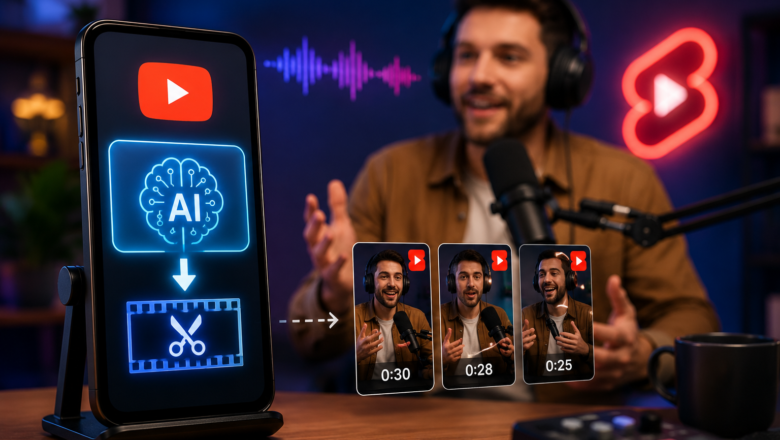
Not long ago, making a decent short video meant juggling a few things shooting clips, editing them, maybe adding music, and hoping it all came together. Now, with the arrival of an AI video tool for YouTube Shorts, that process is starting to look very different. Google’s latest move brings AI-generated video creation into a space that already thrives on speed and trends.

What’s interesting is not just the technology itself, but how quietly practical it feels. You don’t need a full setup anymore. In many cases, you just need an idea and a prompt.

It’s Less About Filming, More About Thinking

If you’ve ever struggled with consistency on Shorts, you’re not alone. Coming up with ideas is one thing but actually producing them regularly is another story.

This is where tools like Veo 3 start to make sense.

Instead of filming every single frame, you can generate visuals that match your concept. Maybe it’s a quick storytelling clip, a visual explanation, or even something experimental. The effort shifts from “how do I shoot this?” to “how do I describe this clearly?”

That might sound like a small change, but it’s not.

Not a Magic Button (And That’s Important)

There’s a bit of hype around AI tools right now, and understandably so. But it’s worth saying this isn’t a one-click solution that guarantees great content.

You still need direction.

If anything, the gap between thoughtful creators and casual users might become more obvious. Someone who understands pacing, audience behavior, or even just timing a hook properly will still have an edge even if both are using the same tool.

So yes, the barrier to entry is lower. But the bar for quality? That might actually go up.

A Quiet Shift for Marketers

From a marketing point of view, this update is easy to underestimate.

Short-form video already demands quick turnaround. Trends don’t wait. Campaigns that take too long often miss the moment entirely. With an AI video tool for YouTube Shorts, that pressure changes slightly.

You can test faster.

Instead of putting all your effort into one version of a video, you can try a few variations. Different openings, slightly different visuals, maybe even a different tone. Not everything will work but you’ll learn quicker.

That said, more output doesn’t automatically mean better results. People scroll fast. If something feels generic, they’ll skip it just as quickly.

The Risk of “Everything Looking the Same”

This is probably the part most people aren’t talking about enough.

When many creators start using similar tools, there’s a chance content begins to feel repetitive. Not identical, but close enough that viewers notice.

You’ve probably seen this happen before trends that get overused, formats that lose their edge.

AI can speed things up, but it can also flatten creativity if you’re not careful. Adding your own perspective, even in small ways, becomes more important.

Does SEO Still Matter Here?

Short answer: yes, it does.

Even with AI-generated content, YouTube still relies on context. Titles, descriptions, and keywords help the platform understand what your video is about.

That doesn’t mean stuffing phrases everywhere. In fact, that usually does more harm than good.

Using something like AI video tool for YouTube Shorts naturally where it actually fits works better. The focus should still be on clarity. If your video delivers what it promises, it has a better chance of performing well.

Where This Could Be Headed

It’s hard to say exactly where tools like this will land in a year or two. But it does feel like an early step toward something bigger.

Maybe more control over styles. Maybe more realistic outputs. Or maybe deeper integration with how platforms recommend content.

Either way, the direction is pretty clear creation is becoming faster, and in some ways, more accessible.

That doesn’t mean easier, though. Not in the way that guarantees results.

Final Thoughts

This update from Google doesn’t feel like a sudden disruption. It feels more like a gradual shift that’s been building for a while.

If you’re a creator, it gives you another way to experiment. If you’re a marketer, it gives you more room to test ideas. But in both cases, the core challenge stays the same making something people actually want to watch.

Tools can help. They can speed things up. But they can’t replace judgment, taste, or timing.

And if you’re exploring platforms that combine creativity with digital trends, Music Fungi is worth a look. It’s one of those spaces where new ideas around music and content are starting to take shape in a more practical way.

Blog

Authenticity Amplified: Rich Bout-It Drops Gritty Anthem ‘Statements’Featuring Bosh G

31/08/2025
Post Image

Independent hip-hop powerhouse Rich Bout-It is back with fire in his latest single, “Statements” (feat. Bosh G), released on August 15, 2025. This track has the highly energetic vibes that make it more than just music. Rather, it is a declaration of resilience, ambition, and street-certified authenticity.

Rich Bout-It has long been a voice for those who regularly combat both struggle and tactic. He has an incredible 15 years of experience in the rap game, forming a catalogue that fuses raw storytelling with relentless energy. “Statements” is yet another powerful chapter added this month to his legacy.

“Statements” isn’t just about activating—it’s about setting records high.

Not only is the Rich Bout-It’s commanding delivery energising the vibe, but the razor-sharp presence of Bosh G is also creating a dynamic back-and-forth that keeps listeners hooked from start to finish. Riding over heavy 808s, stacked synths and a beat that knocks as unapologetically as possible, the two artists swap bars that resonate with confidence, grit, and survival in a world that only the real ones endure.

From punchlines that hit like a booster to verses soaked in lived experience, his latest track makes it clear that Rich Bout-It is not here to follow the trend but to make some of his own. Actually, he defines them. With a raw but refined voice, blending Bay Area swagger with Southern grit, it is nothing but the invigorating sound that has come to define his artistry.

The huge list of his die-hard fans is already calling the track one of his hardest yet, gripping ones. They are praising its energy, honesty, and lyrical precision. Whether you’ve been riding with him since “F.A.F.O.” with Guce or caught the reflective vibe of “In Da Air” with Keak Da Sneak, “Statements” proves once again that Rich Bout-It is here in the industry to move with both authenticity and intent.

What Defines Rich Bout-It!

Born in San Francisco, he sharpened his skills during his years in Kentucky. Rich Bout-It is not just an artist but a narrator, a survivor, and a strategist. His music paints vivid portraits of triumph and pain, always rooted in truth, just as in his latest one- ‘Statements’. He carries the lessons of his journey into every verse to this track from the Bay Area streets to Kentucky’s grind. Through “Statements” featuring Bosh G, he continues to carve his lane with independent hustle and boss-level energy.

Listen to “Statements” (feat. Bosh G) now on Spotify, Apple Music, and all major streaming platforms.

Listen Now: https://open.spotify.com/track/5A1OrW8Hz9k7bSwuna3rlo