Blog

Long YouTube Videos That Don’t Feel Long (What Actually Helps)

25/03/2026
Post Image

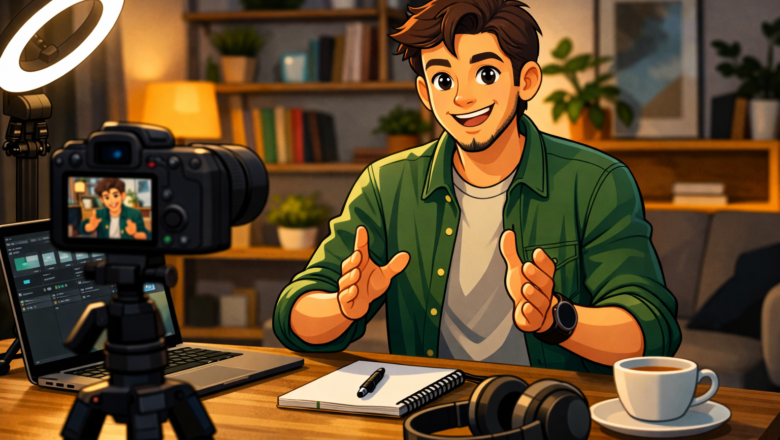
I used to think longer videos automatically meant more value. They don’t. I’ve clicked on 25-minute videos that felt like a drag in 3 minutes. And I’ve watched 18-minute ones all the way through without even noticing the time. So clearly, length isn’t the real issue here.

If you’re trying to understand how to create engaging long-form YouTube videos, it comes down to one simple thing: does the video keep moving, or does it stall? That’s it.

Don’t Warm Up Too Much

This is something I still catch myself doing. You start recording and take a minute or two to “get into it.” The problem is that part should not be in the final video. People didn’t come to watch you warm up. They came for something specific. So cut straight to it. Even if it feels abrupt to you, it usually feels just right to the viewer.

You Probably Need to Cut More Than You Think

When you first edit a long video, everything feels important. Later, when you rewatch it, you start noticing things extra words, repeated thoughts, slightly slow explanations. That’s where most of the improvement happens. There’s no formula here. You just keep trimming until it feels easier to watch. Not shorter—just easier.

Keep Changing Something (Even Small Things)

If the visual and tone stay exactly the same for too long, people drift.

You don’t need flashy edits. Just small changes:

  • a tighter crop
  • a quick cutaway
  • a different example

Even a shift in how you say something helps. It keeps the video from feeling flat.

Talk Like You’d Explain It to One Person

Not an audience. Not subscribers. Just one person. That usually fixes the “scripted” problem on its own. Because when you explain something to one person, you don’t try to sound perfect. You just try to be clear. And clarity is what keeps people watching, not perfect wording.

Don’t Save Everything for Later

There’s this temptation to build up to the “main point.” But a lot of viewers won’t wait that long. So give them something useful early. Then keep adding to it. Think of it less like a big reveal and more like a steady flow.

If You Repeat, Change the Angle

You’ll repeat ideas. That’s normal. But if you say the same line again in the same way, it slows things down. Instead, come at it differently. Maybe a quick example. Maybe a shorter version. It keeps the idea fresh without dragging the pace.

Watch It Back (Properly)

Not while editing. Not in bits. Watch the whole thing once, like a normal viewer. You’ll notice things you didn’t see before. Parts that feel slightly off. Sections that run longer than they should. That’s usually where people click away.

End Without Making It Awkward

A lot of endings feel forced. Either they drag, or they suddenly stop. Somewhere in between works best. Just wrap up what you said and point people in a direction if it makes sense. No need to overdo it.

It’s Mostly Trial and Error

There isn’t a perfect structure you can follow every time. Some videos will feel right. Some won’t. But you start noticing patterns after a few uploads what holds attention, what loses it, what you tend to over-explain. That’s where the real improvement comes from.

Final Thoughts

Long-form videos aren’t about filling time. They’re about holding attention a little longer than usual. If the video keeps moving, sounds natural, and doesn’t waste time, people stay. If it doesn’t, they won no matter how good the topic is.

If you’re working on improving your content or trying to make videos that people actually sit through, platforms like Music Fungi can help you keep things practical instead of overcomplicated.

FAQs

1. How long is considered long-form on YouTube?
Usually 8–10 minutes and above, but watch time matters more than duration.

2. Why do long videos lose viewers?
Mostly because of pacing issues, repetition, or slow sections.

3. Do I need advanced editing skills?
No. Basic cuts and small changes are often enough.

4. How can I improve retention?
Cut slow parts, start strong, and keep adding value as the video goes on.

5. Is long-form good for beginners?
Yes, especially if the focus is on clarity and usefulness rather than perfection.

Music

How to Find the Best Spotify Promotion Service

22/03/2026
Post Image

Let me put it the way most artists actually experience it. You release a track. You feel good about it. Maybe even excited. You send it to a few friends, drop it on your socials… and then after a couple of days, it kind of slows down. Not dead, just quiet. If you’re creating music from somewhere like Anchorage, that quiet phase can last longer than you’d like. That’s usually when people start searching for the best Spotify promotion service not because they want shortcuts, but because they want someone to hear the music. And honestly, that’s a fair reason.

It’s Less About “Promotion” Than You Think

The word promotion sounds big. Almost like marketing campaigns and big numbers. But in reality, for most independent artists, it’s something much simpler. It’s just getting your song in front of the right ears. That could be a small playlist. A niche audience. A group of listeners who already like your kind of sound. When that happens, even in a small way, things start to shift. Not fast, not dramatically but enough to notice. One person saves your track. Another plays it again the next day. That’s how it starts.

Anchorage to Anywhere (Literally)

Here’s something worth remembering your audience probably isn’t just around you. If you’re in Anchorage, your music might connect more with someone in Berlin, Mumbai, or Toronto than with people nearby. That’s just how streaming works now. Location matters less than connection. The tricky part is reaching those people in the first place. That’s where a bit of promotion can help. Not to “blow up,” but to travel a little further than your immediate circle.

Not All Services Feel the Same

You’ll notice this pretty quickly if you explore a few options. Some services feel pushy. Big claims, fast results, numbers that look great for a week and then drop off. It’s tempting, especially when you’re just starting out.

Others feel slower. Almost underwhelming at first. But the listeners stick around longer. You might even see familiar names popping up again in your stats. That’s usually a better sign. If something promises thousands of streams overnight, it’s worth pausing for a second. Real growth doesn’t usually happen like that.

The Part That Still Depends on You

Even with the best support, there’s no getting around this you still have to keep going. Releasing one song and waiting rarely works. Releasing, learning, trying again… that’s where things begin to build. Slowly, yes, but in a way that actually lasts. And you don’t need everything to be perfect either. A clear artist profile, a genuine vibe, and consistency matter more than polished perfection.

Final Thoughts

If you look at it closely, most artists grow in small steps that don’t look like much at the time. A few listeners here, a playlist there, one track doing slightly better than the last. It adds up, just not overnight.

If you’re exploring where to start, you might come across Music Fungi. It’s one of those platforms that seems to focus more on steady progress rather than quick spikes, which if you’ve been through this process actually makes more sense in the long run.

Blog

YouTube Shorts Just Got an AI Upgrade : Here’s What It Actually Means for Creators

19/03/2026
Post Image

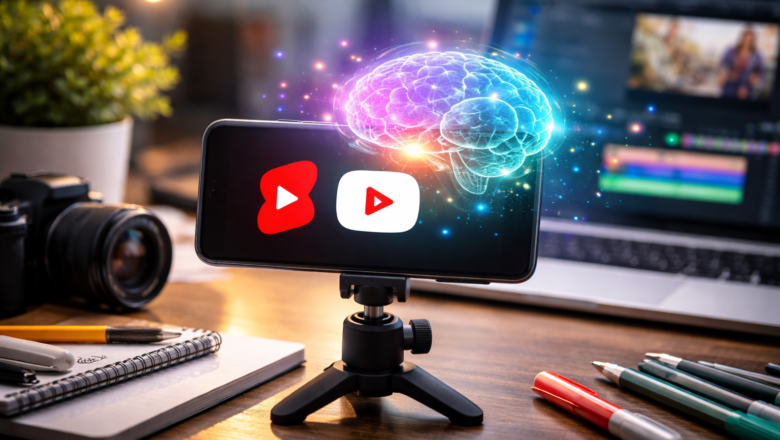
Not long ago, making a decent short video meant juggling a few things shooting clips, editing them, maybe adding music, and hoping it all came together. Now, with the arrival of an AI video tool for YouTube Shorts, that process is starting to look very different. Google’s latest move brings AI-generated video creation into a space that already thrives on speed and trends.

What’s interesting is not just the technology itself, but how quietly practical it feels. You don’t need a full setup anymore. In many cases, you just need an idea and a prompt.

It’s Less About Filming, More About Thinking

If you’ve ever struggled with consistency on Shorts, you’re not alone. Coming up with ideas is one thing but actually producing them regularly is another story.

This is where tools like Veo 3 start to make sense.

Instead of filming every single frame, you can generate visuals that match your concept. Maybe it’s a quick storytelling clip, a visual explanation, or even something experimental. The effort shifts from “how do I shoot this?” to “how do I describe this clearly?”

That might sound like a small change, but it’s not.

Not a Magic Button (And That’s Important)

There’s a bit of hype around AI tools right now, and understandably so. But it’s worth saying this isn’t a one-click solution that guarantees great content.

You still need direction.

If anything, the gap between thoughtful creators and casual users might become more obvious. Someone who understands pacing, audience behavior, or even just timing a hook properly will still have an edge even if both are using the same tool.

So yes, the barrier to entry is lower. But the bar for quality? That might actually go up.

A Quiet Shift for Marketers

From a marketing point of view, this update is easy to underestimate.

Short-form video already demands quick turnaround. Trends don’t wait. Campaigns that take too long often miss the moment entirely. With an AI video tool for YouTube Shorts, that pressure changes slightly.

You can test faster.

Instead of putting all your effort into one version of a video, you can try a few variations. Different openings, slightly different visuals, maybe even a different tone. Not everything will work but you’ll learn quicker.

That said, more output doesn’t automatically mean better results. People scroll fast. If something feels generic, they’ll skip it just as quickly.

The Risk of “Everything Looking the Same”

This is probably the part most people aren’t talking about enough.

When many creators start using similar tools, there’s a chance content begins to feel repetitive. Not identical, but close enough that viewers notice.

You’ve probably seen this happen before trends that get overused, formats that lose their edge.

AI can speed things up, but it can also flatten creativity if you’re not careful. Adding your own perspective, even in small ways, becomes more important.

Does SEO Still Matter Here?

Short answer: yes, it does.

Even with AI-generated content, YouTube still relies on context. Titles, descriptions, and keywords help the platform understand what your video is about.

That doesn’t mean stuffing phrases everywhere. In fact, that usually does more harm than good.

Using something like AI video tool for YouTube Shorts naturally where it actually fits works better. The focus should still be on clarity. If your video delivers what it promises, it has a better chance of performing well.

Where This Could Be Headed

It’s hard to say exactly where tools like this will land in a year or two. But it does feel like an early step toward something bigger.

Maybe more control over styles. Maybe more realistic outputs. Or maybe deeper integration with how platforms recommend content.

Either way, the direction is pretty clear creation is becoming faster, and in some ways, more accessible.

That doesn’t mean easier, though. Not in the way that guarantees results.

Final Thoughts

This update from Google doesn’t feel like a sudden disruption. It feels more like a gradual shift that’s been building for a while.

If you’re a creator, it gives you another way to experiment. If you’re a marketer, it gives you more room to test ideas. But in both cases, the core challenge stays the same making something people actually want to watch.

Tools can help. They can speed things up. But they can’t replace judgment, taste, or timing.

And if you’re exploring platforms that combine creativity with digital trends, Music Fungi is worth a look. It’s one of those spaces where new ideas around music and content are starting to take shape in a more practical way.